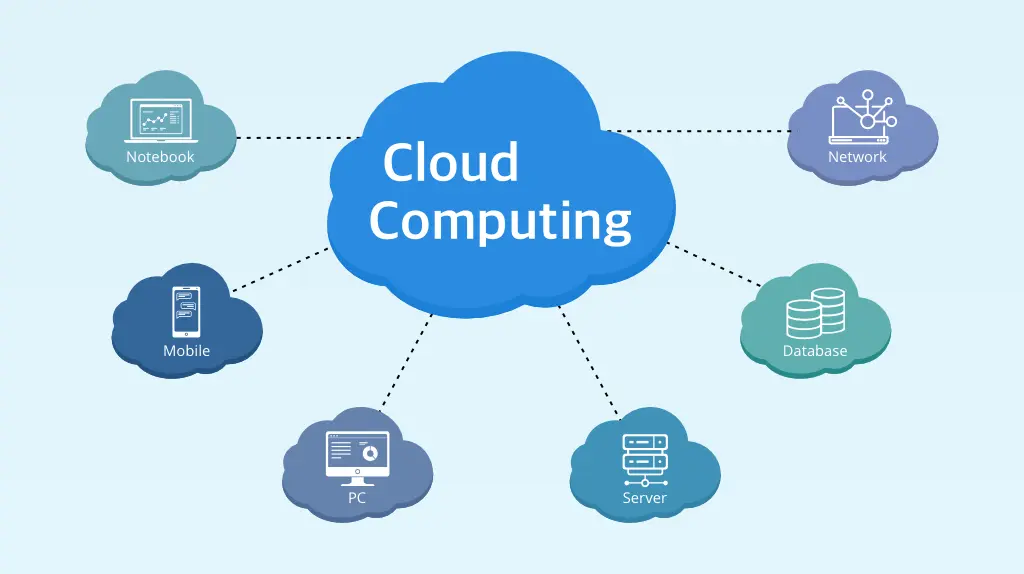
Cloud computing is a term you’ve probably heard before, but what does it actually mean? And why is it important in today’s world?
In simple words, cloud computing means using the internet to store, manage, and process data instead of relying on your own computer’s hard drive or local server. It allows you to access information and tools from anywhere, as long as you have an internet connection.
Understanding the Cloud
When people talk about “the cloud,” they are referring to a network of remote servers that are hosted online. These servers store data and run applications, so you don’t have to keep everything on your personal device.
For example:
When you use Google Drive, your files are stored in the cloud.
Watching shows on Netflix means streaming data from cloud servers.
Using tools like Zoom or Microsoft 365 also involves cloud computing.
Key Features of Cloud Computing
Here are some common features that make cloud computing powerful:
On-demand access: You can get the services or storage you need instantly, without setting up any physical systems.
Scalability: You can increase or decrease resources based on your needs.
Cost-effective: You only pay for what you use. No need to invest in expensive hardware.
Remote availability: Work from anywhere in the world, as long as you're connected to the internet.
Security and backups: Most cloud providers offer strong security measures and regular backups.
Types of Cloud Computing
Cloud computing is usually offered in three major types:
1. Infrastructure as a Service (IaaS)
You get virtual machines, storage, and networks. You manage the operating system and applications.
Example: Amazon Web Services (AWS), Microsoft Azure
2. Platform as a Service (PaaS)
You get a platform to build and manage applications without worrying about the hardware.
Example: Google App Engine, Heroku
3. Software as a Service (SaaS)
You use ready-made software over the internet.
Example: Gmail, Dropbox, Salesforce
Why Cloud Computing Matters
Cloud computing is important because it changes the way people and businesses work. Here's why it matters:
1. Better Collaboration
Teams can work on the same files in real-time, even from different locations.
2. Business Efficiency
Companies don’t need to buy and maintain expensive servers. They can grow faster and serve customers better.
3. Innovation
Cloud services allow developers to build apps and tools quickly without large upfront costs.
4. Data Safety
Even if your laptop or phone gets damaged, your data stays safe in the cloud.
5. Environmentally Friendly
Using shared cloud resources reduces the need for physical machines and lowers carbon footprints.
Common Uses of Cloud Computing
Backing up data like photos, videos, and documents
Running websites and blogs
Streaming music and video
Hosting online classes or webinars
Analyzing large sets of data
Using AI tools and machine learning models
Challenges to Be Aware Of
While cloud computing has many benefits, it's not without challenges:
Internet dependence: You need a stable connection to access the cloud.
Data privacy concerns: Your data is stored on third-party servers, so choosing a trusted provider is crucial.
Service outages: Like any service, cloud platforms can experience downtime.
Final Thoughts
Cloud computing has become a key part of modern life — both at work and at home. It’s flexible, cost-effective, and enables new possibilities that weren’t possible just a decade ago. Whether you're a student storing your notes, a small business owner using online tools, or a developer creating the next big app, the cloud is something you’re already using — even if you didn’t realize it.
Understanding how cloud computing works and why it matters can help you take full advantage of today’s technology, and prepare for a future that relies even more on digital tools.

Comments