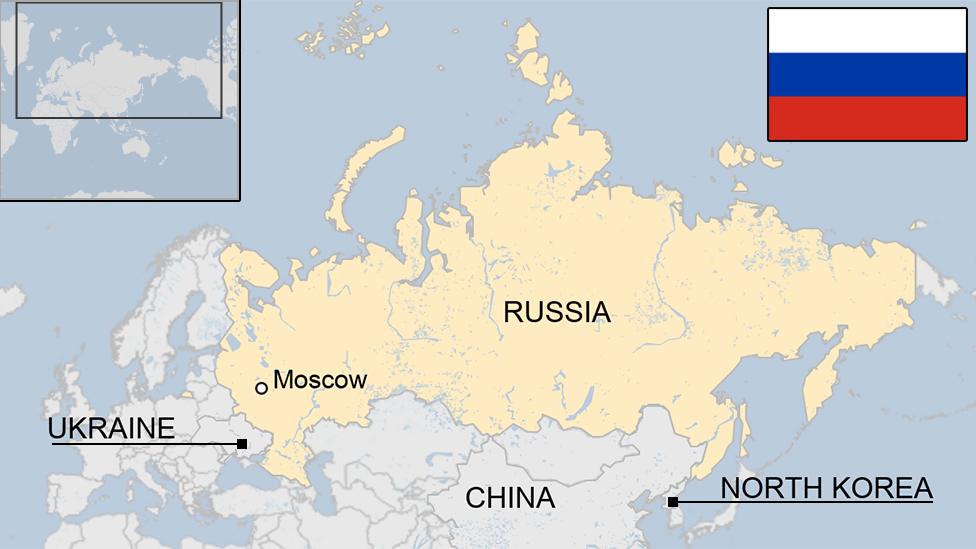
The Russia-Ukraine war is one of the most important global events of the 21st century. It has affected millions of lives, changed international politics, and disrupted economies around the world. But to understand why this war started and what it means, we need to look at its history, political background, and global impact.
A Brief History Between Russia and Ukraine
Ukraine and Russia share a long and complicated history. For centuries, both were part of larger empires, including the Russian Empire and later the Soviet Union.
1922 to 1991: Ukraine was part of the Soviet Union.
1991: The Soviet Union collapsed. Ukraine became an independent country.
Since then, Ukraine has worked to build its own identity and develop closer ties with Western Europe.
However, Russia has never fully accepted Ukraine moving away from its influence. This tension has grown over the years.
The Beginning of the War
The conflict began in 2014, when Russia annexed Crimea, a region in southern Ukraine. This move was widely condemned by the international community.
Later that year, fighting broke out in Eastern Ukraine between the Ukrainian army and pro-Russian separatists. Russia supported the separatists, although it denied direct involvement.
Then in February 2022, Russia launched a full-scale invasion of Ukraine. This marked the beginning of a major war that continues today.
Why Did Russia Invade Ukraine?
There are several reasons behind Russia’s invasion:
1. NATO Expansion
Russia has long opposed Ukraine’s interest in joining NATO (North Atlantic Treaty Organization). It sees NATO as a threat, especially if it reaches its borders.
2. Political Control
Russia’s leaders, especially President Vladimir Putin, believe Ukraine should stay under Russian influence. They fear losing power in the region if Ukraine becomes more aligned with the West.
3. National Identity
There is a historical belief in Russia that Ukrainians and Russians are “one people.” Many Ukrainians strongly disagree and want to be independent.
4. Control Over Resources and Territory
Ukraine is a large country with valuable land, natural resources, and access to the Black Sea. Gaining control helps Russia economically and strategically.
Impact on Ukraine
The war has caused massive destruction and suffering:
Millions of people displaced: Many have lost their homes and become refugees in other countries.
Thousands killed or injured: Both civilians and soldiers have suffered heavy losses.
Cities damaged: Many Ukrainian towns and cities have been destroyed by bombings.
Economy collapsed: Ukraine’s economy has been severely affected due to war and loss of infrastructure.
Impact on Russia
Russia has also faced consequences:
Economic sanctions: Western countries placed harsh sanctions on Russia, cutting off trade and access to financial systems.
Isolation: Russia has become more isolated internationally.
Human losses: Russian soldiers have died in large numbers, and the country’s economy is under stress.
Global Impact of the War
The war in Ukraine is not just a regional issue. It affects the whole world in several ways:
1. Energy Crisis
Russia is one of the world’s largest energy exporters. The war disrupted global oil and gas supplies, causing prices to rise.
2. Food Shortages
Ukraine is a major exporter of wheat and corn. The war blocked shipments, leading to shortages and rising food prices, especially in poorer countries.
3. Global Inflation
Higher fuel and food costs caused inflation worldwide, affecting everyday life for millions.
4. Increased Military Spending
Countries in Europe and around the world have increased their military budgets, fearing further aggression.
5. Shifts in Global Alliances
The war pushed many countries to choose sides, strengthening alliances like NATO and creating new tensions between global powers.
Role of the International Community
The international community responded in various ways:
Support for Ukraine: Many Western countries provided military aid, financial help, and humanitarian support.
Sanctions against Russia: Countries like the U.S., U.K., and EU imposed strong sanctions to pressure Russia economically.
Peace talks: Several attempts have been made to start peace negotiations, but no long-term solution has been reached yet.
What Happens Next?
The future of the Russia-Ukraine war remains uncertain. Some experts believe it could last for years. Others hope for a peaceful solution through diplomacy.
What is clear is that the world will not be the same. The war has already changed how countries think about security, alliances, and power.
Final Thoughts
Understanding the Russia-Ukraine war is important for everyone, even if you live far from the battlefield. This conflict is about more than two countries — it’s about freedom, power, and the future of global peace.
As we watch history unfold, staying informed helps us understand the world we live in — and what kind of future we want to build.

Comments