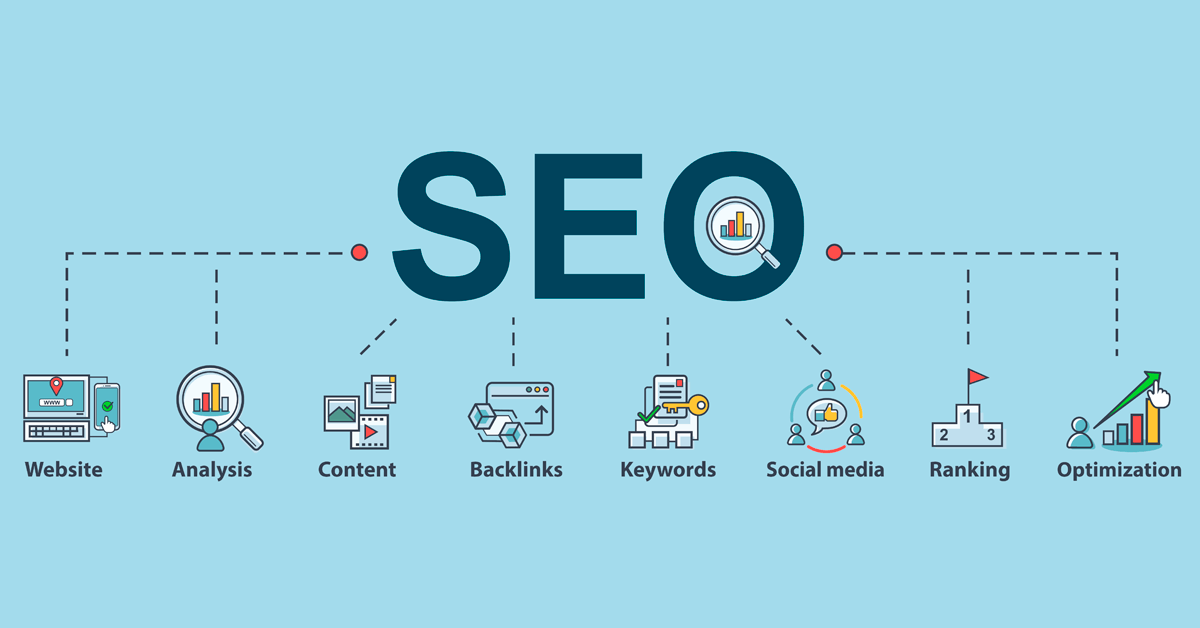
Search Engine Optimization—SEO—has never been more important, and in 2025, it's more dynamic than ever. Gone are the days of keyword stuffing and spammy backlinks. Today, SEO is about mastering the right mix of technical precision, content quality, and user experience. If you're serious about growing your website's visibility, traffic, and authority, you need a modern SEO strategy that aligns with current search engine algorithms and user expectations.
This guide breaks down what’s working in SEO right now—and how you can apply these strategies to achieve real organic growth in 2025.
What is SEO in 2025?
At its core, SEO (Search Engine Optimization) is the process of improving your website so it ranks higher in search engine results pages (SERPs). When done correctly, SEO helps drive organic traffic—visitors who find your site naturally via Google or other search engines, without paid advertising.
In 2025, SEO is more intelligent, more user-focused, and more reliant on Google’s evolving AI algorithms like RankBrain, BERT, and Gemini. Search engines prioritize user intent, page experience, and authority more than ever before. If your content doesn’t help users, it won’t rank—no matter how many times you use the right keywords.
Why Organic Growth Still Matters
While paid advertising offers quick wins, organic SEO traffic is more sustainable and cost-effective in the long run. Here’s why:
-
Higher ROI: Organic visitors convert better because they’re actively searching.
-
Trust Factor: Users trust organic listings more than ads.
-
Scalability: Once a page ranks well, it can drive traffic for months or even years.
-
Brand Authority: Ranking on page one positions your brand as a leader in your niche.
Top SEO Strategies for 2025
Let’s dive into the most effective SEO strategies you should be using now to drive real organic growth.
1. Optimize for User Intent
In 2025, SEO isn’t just about what people search—it’s about why they search. Google’s AI is incredibly good at understanding intent behind queries. To rank, your content must satisfy that intent completely.
✅ How to do it:
-
Analyze the top-ranking pages for your target keywords.
-
Determine if the intent is informational, navigational, transactional, or commercial.
-
Structure your content accordingly, using relevant headers and actionable information.
2. Leverage E-E-A-T (Experience, Expertise, Authoritativeness, Trust)
Google now emphasizes E-E-A-T as a key ranking signal—especially for sites in sensitive industries like health, finance, and news.
✅ How to do it:
-
Include author bios that demonstrate expertise.
-
Cite reputable sources and studies.
-
Get high-quality backlinks from trusted domains.
-
Use HTTPS, privacy policies, and clear contact pages to build trust.
3. Focus on Core Web Vitals
Page experience is a major ranking factor in 2025. Google evaluates your website’s loading speed, interactivity, and visual stability using Core Web Vitals metrics.
✅ How to do it:
-
Use tools like Google PageSpeed Insights or Lighthouse.
-
Optimize images and use modern formats like WebP.
-
Minimize JavaScript and leverage browser caching.
-
Implement lazy loading for media.
4. Create Long-Form, Value-Packed Content
Thin or low-quality pages are out. In-depth, user-focused content that fully answers a query is what ranks today.
✅ How to do it:
-
Aim for 1,500+ words of well-structured content.
-
Use proper heading tags (H2, H3) for scannability.
-
Add visual aids like images, infographics, or videos.
-
Regularly update older content to maintain relevance.
5. Implement Schema Markup
Structured data helps search engines understand your content and increases your chances of getting rich results like FAQs, ratings, and more.
✅ How to do it:
-
Use Schema.org to add appropriate markup.
-
Prioritize schemas like Article, Product, Review, and FAQPage.
-
Validate your code with Google’s Rich Results Test.
6. Optimize for Voice and Conversational Search
With the rise of smart assistants and voice devices, people are searching differently—more conversational, more local.
✅ How to do it:
-
Use natural, question-based phrasing in your content.
-
Include FAQ sections to address common voice queries.
-
Optimize for local search with Google Business Profile and local schema.
7. Build a Healthy Backlink Profile
While content is king, backlinks are still the currency of SEO. They signal trust, relevance, and authority to search engines.
✅ How to do it:
-
Earn links through guest posting, digital PR, and helpful tools/resources.
-
Use platforms like HARO to connect with journalists.
-
Avoid black-hat link schemes—Google will penalize them.
8. Enhance Internal Linking
Internal links help distribute authority across your site and improve crawlability.
✅ How to do it:
-
Link to related posts or cornerstone content.
-
Use descriptive anchor text with keywords.
-
Avoid orphan pages—every page should be connected.
Technical SEO: The Foundation of It All
Even the best content won’t rank if your site isn’t technically sound. Technical SEO ensures your site is crawlable, indexable, and secure.
Key technical elements:
-
XML Sitemap and Robots.txt setup
-
Canonical tags to prevent duplicate content
-
Mobile-friendly, responsive design
-
HTTPS encryption
-
404 error handling and redirects
Bonus: AI Tools to Supercharge Your SEO in 2025
With AI becoming mainstream, many SEO professionals are using tools to speed up workflows without sacrificing quality.
-
Surfer SEO – Helps optimize content for NLP-based ranking factors
-
Frase.io – Generates topic briefs and content outlines
-
ChatGPT – Assists with draft generation and SEO content ideas
-
Screaming Frog – In-depth site crawls and technical audits
-
Ahrefs/SEMrush – Keyword research, backlink analysis, and competitor monitoring
What to Avoid in 2025
Stay clear of outdated or black-hat SEO tactics. These can get your site penalized or deindexed altogether.
🚫 Keyword stuffing
🚫 Paid link schemes
🚫 Duplicate or AI-spun content
🚫 Ignoring mobile UX
🚫 Over-optimizing anchor text
Final Thoughts: SEO is a Long-Term Investment
Mastering SEO in 2025 is about being strategic, consistent, and adaptive. Search engines will continue to change, but the core goal remains: deliver value to users.
Focus on building an SEO strategy that emphasizes:
-
High-quality, user-first content
-
Strong technical foundations
-
Authoritative backlinks
-
Continuous monitoring and improvement
When you prioritize real value over quick hacks, you’ll not only rank better—you’ll build a lasting brand.

Comments